
Pug: temperament, training and care
Charming and sociable. Loves food and people. Snores and snorts.
At a glance
Temperament
- Charming and sociable
- Loves food and people
- Snores and snorts
Training tips
Use tiny treats: Pugs work for food and gain weight fast.
Pugs can be independent thinkers. Find what your dog will really work for, keep sessions short and fun, and expect to repeat things more often than with an eager-to-please breed.
Start with a marker word, sit, come and leave it. For a puppy, see the puppy training guides.
Exercise and energy
A healthy adult Pug typically needs around 30 to 30 minutes of activity a day. Mix walks with sniffing and short training games: mental work tires dogs as much as running does. Puppies need much shorter sessions while they grow.
See how much exercise a dog needs and our games and enrichment ideas.
Health to watch
Things the breed is known to be prone to. Ask your vet what to check for your dog.
- Breathing and heat. A short nose makes cooling down hard: walk in the cool of the day and stop at heavy panting. See: Heatstroke.
- Eyes. Prominent or sensitive eyes: see the vet the same day for squinting or a cloudy eye. See: Eye Injuries.
- Skin. Folds and allergies need care: keep folds clean and dry, and watch for itching. See: Allergic Reaction.
- Weight. Gains weight easily: measure meals and count the treats.
Pawfessor programs for this
Other small breeds
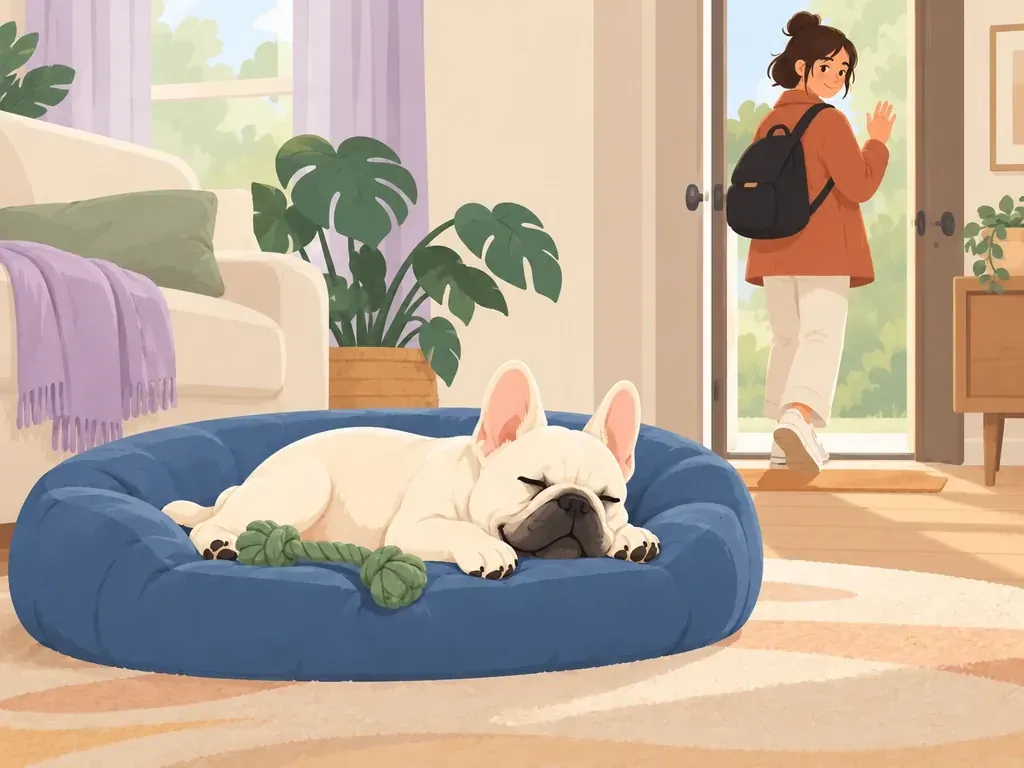
French Bulldog
Clownish and affectionate. Happy in an apartment. Can be stubborn about training
Miniature Poodle
Bright, lively and people focused. Hardly sheds, but needs clipping. Quick to learn tricks
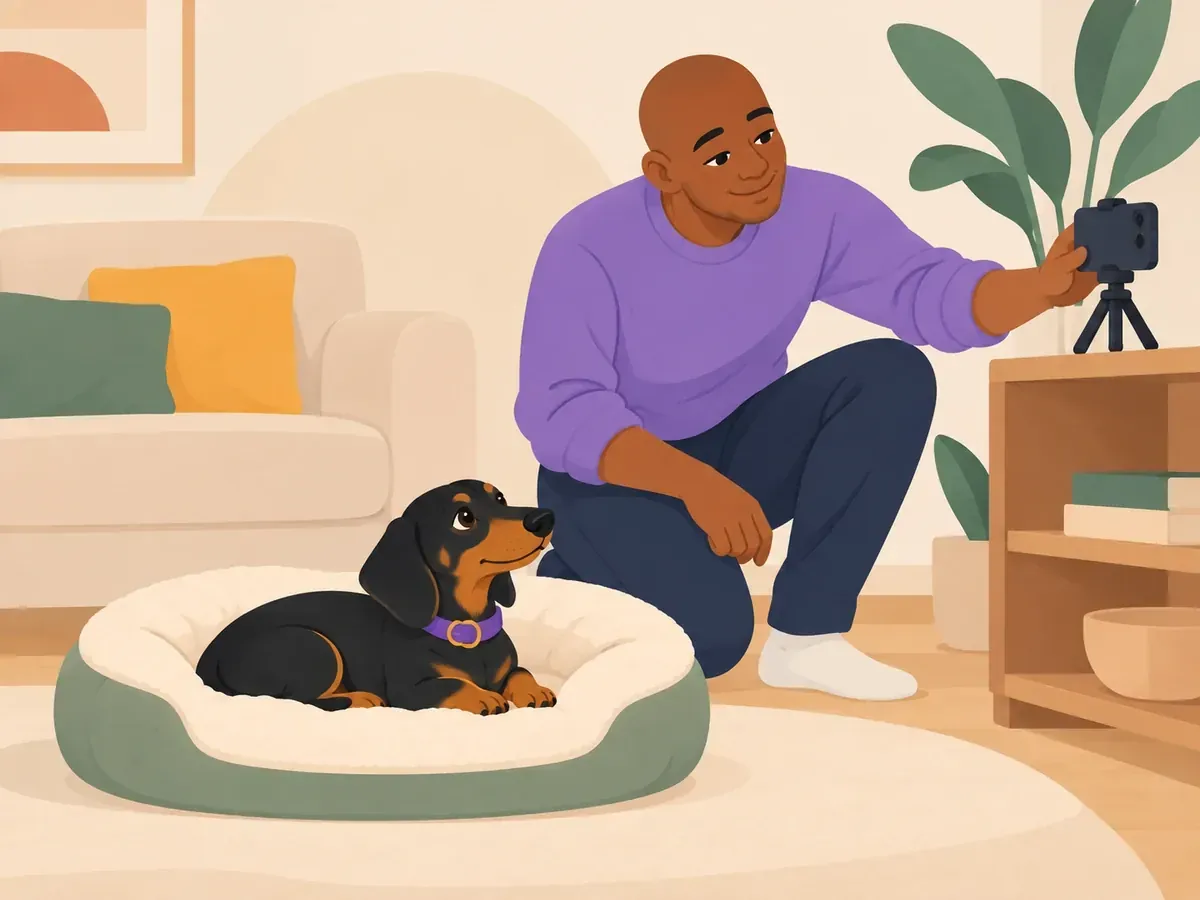
Dachshund
Bold and curious. Independent hunter's mind. Loves to dig and bark