How to stop your dog pulling on the leash
Pulling works for your dog, so it keeps happening. Here's how to make a loose leash work better.
 By Pawfessor Editorial TeamPublished 1 min read
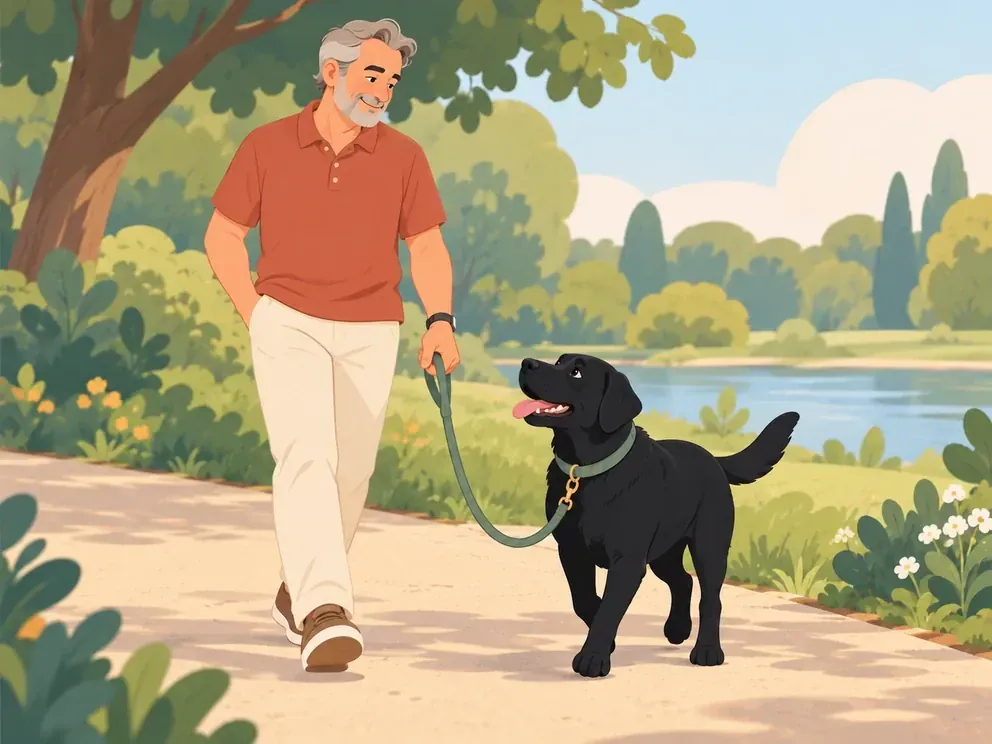
Your dog isn’t pulling to be dominant. They’re pulling because the world is exciting, you walk slowly, and pulling gets them where they want to go. Every time a tight leash gets them to the lamppost, pulling is rewarded. The fix is to make a loose leash the only thing that works.
Get the gear right
- A well fitted Y-shaped harness leaves the shoulders free. A front-clip ring can help turn a puller back toward you while you train.
- A fixed leash around 2 meters. Avoid retractable leashes while teaching: they reward pulling by extending.
- A treat pouch, so rewards are instant.
Frequently asked questions
Do no-pull harnesses work?
A front-clip harness can reduce pulling by turning your dog gently toward you. It helps while you train, but it doesn't teach loose-leash walking on its own.
Should I use a choke or prong collar?
No. Choke, prong and shock collars work by causing pain or discomfort, can injure the neck and are linked with fear and aggression. Reward based training works without them.
Why does my dog walk nicely at home but pull outside?
Outside is far more exciting. Practice in quiet places first, use better treats outdoors and build up slowly to busy streets.
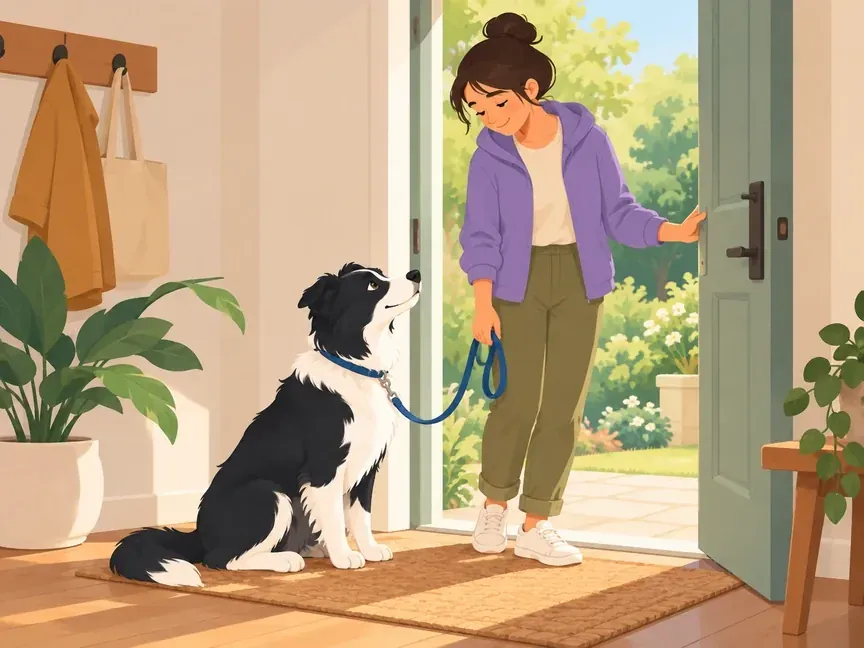
Pawfessor programs for this
Keep reading
Dog not coming when called? Here's how to fix it
Why dogs ignore recall and a step by step plan to fix it: a fresh cue, long line practice, rewards that beat distractions and the mistakes that poison recall.
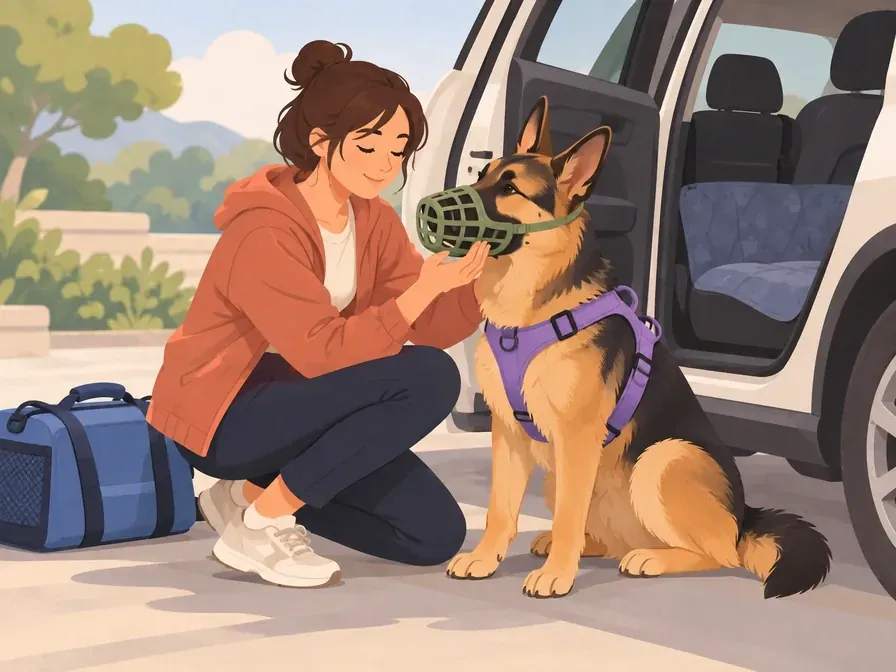
Helping a dog who is afraid of the car
Why some dogs fear car rides and how to help: step by step desensitization, travel sickness tips, safe restraint and when to talk to your vet.
Helping a dog who is afraid of strangers
Why some dogs fear strangers and how to help: reading fear signals, giving space, the 'treat and retreat' game, visitors at home and when to get help.