
Akita: temperament, training and care
Dignified and loyal. Protective of home. Often not keen on other dogs.

At a glance
Temperament
- Dignified and loyal
- Protective of home
- Often not keen on other dogs
Training tips
Start socializing early and keep dog meetings calm and short.
Akitas can be independent thinkers. Find what your dog will really work for, keep sessions short and fun, and expect to repeat things more often than with an eager-to-please breed.
Start with a marker word, sit, come and leave it. For a puppy, see the puppy training guides.
Exercise and energy
A healthy adult Akita typically needs around 60 to 90 minutes of activity a day. Mix walks with sniffing and short training games: mental work tires dogs as much as running does. Puppies need much shorter sessions while they grow.
See how much exercise a dog needs and our games and enrichment ideas.
Health to watch
Things the breed is known to be prone to. Ask your vet what to check for your dog.
- Bloat. A deep chest raises the risk of a twisted stomach: no hard play for an hour either side of a big meal. See: Bloat (Twisted Stomach).
- Hips and elbows. Prone to joint problems: keep them lean and ask the vet to check the joints each year.
Pawfessor programs for this

Other large breeds
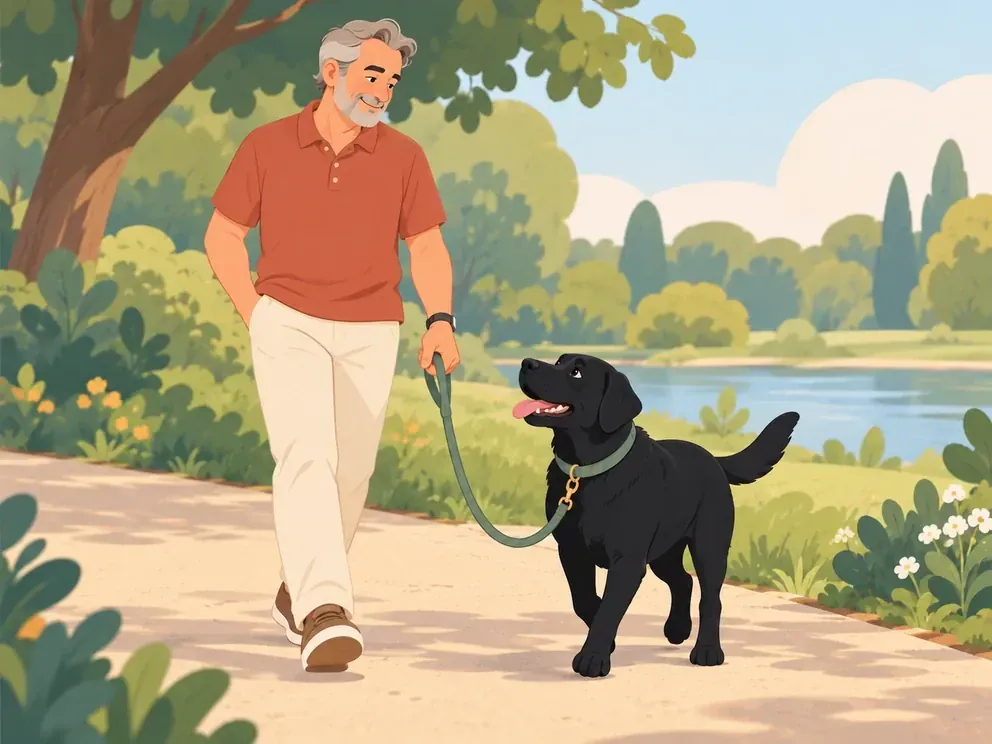
Labrador Retriever
Friendly with everyone, rarely a guard. Lives for food, which makes training easy. Loves water and carrying things

Golden Retriever
Gentle and eager to please. Mouthy: loves to carry toys. Slow to mature, puppyish until about 3
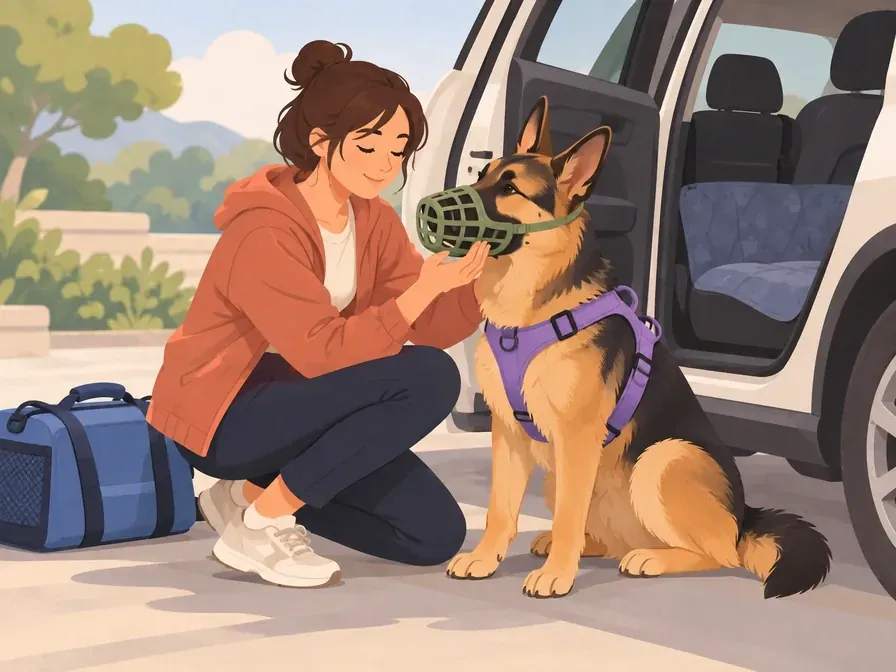
German Shepherd
Loyal and protective of their people. Needs a job for body and brain. Can be wary of strangers